
insights
an open journal introducing RESEARCH + MECHANISMS of consciousness, body, science, and heart.
Ideas communicating
Art naming itself through expression
Origins of integrating conscious experience
Genetic expression in variable environments

Successive Expansion and Emergence
How does form arise?
How Is Form Lived?
Magnitude of Experience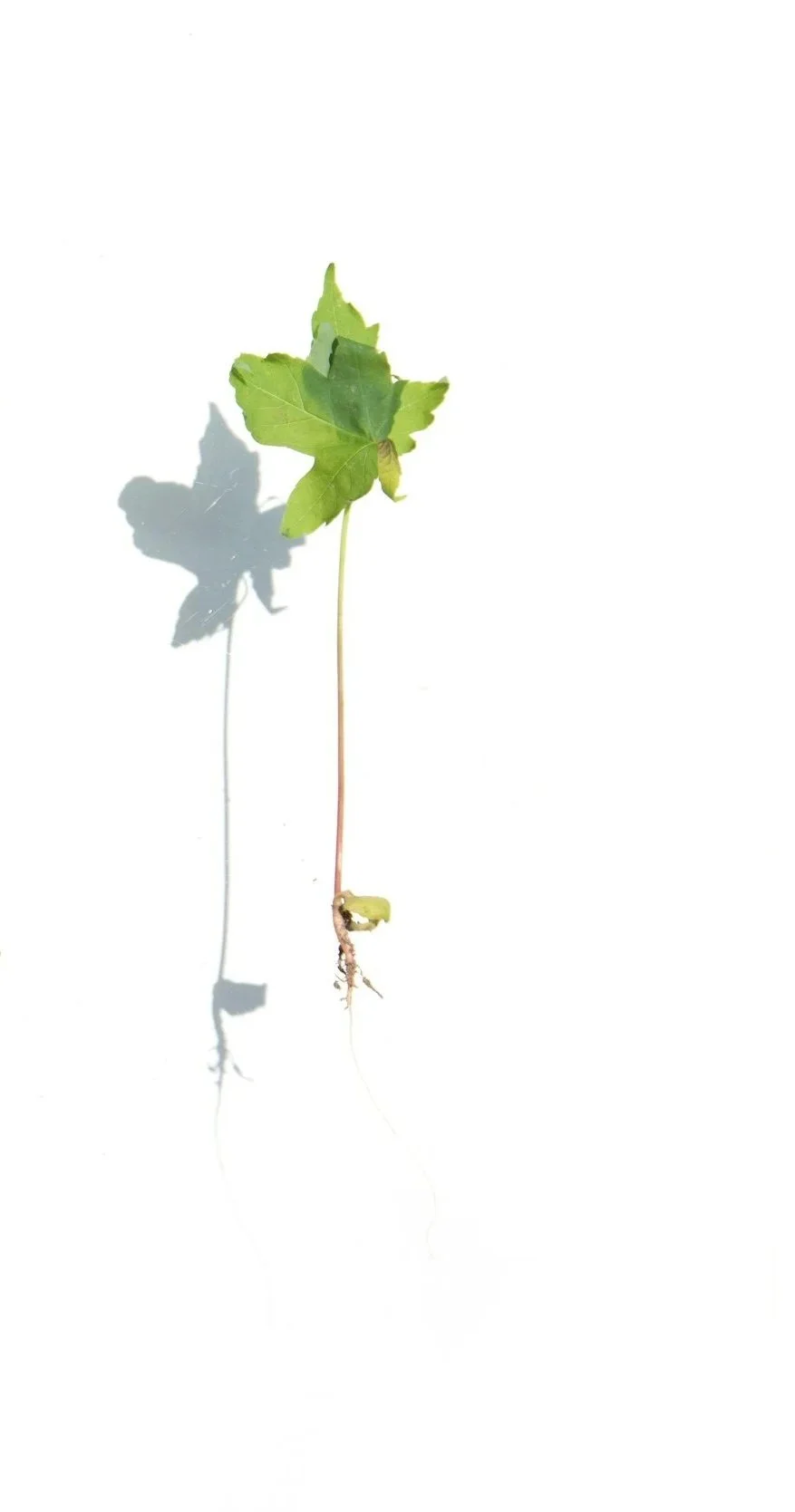
Experiental Impact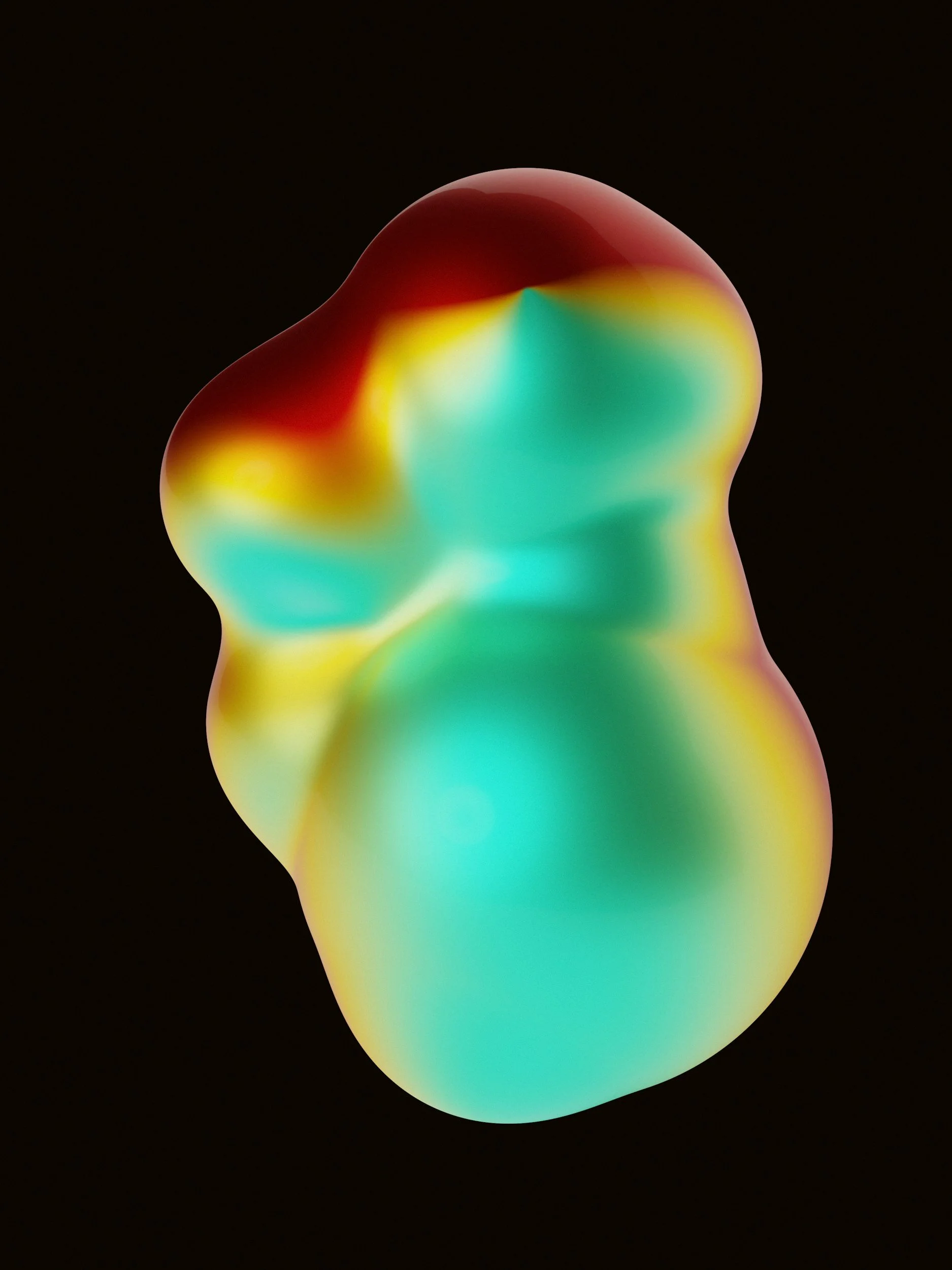
How Is Form Understood?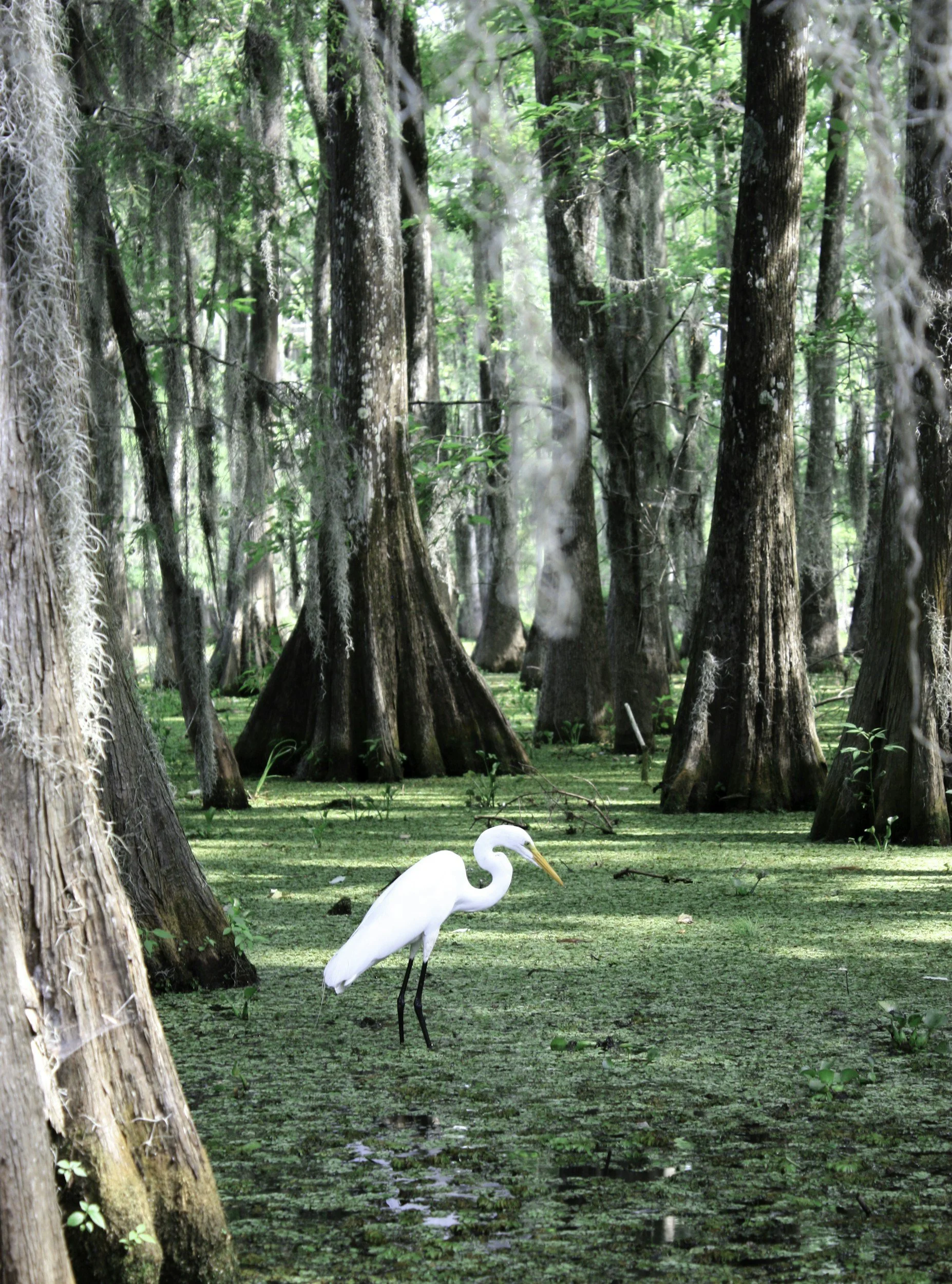
Refractive example based on Nader’s equation nomenclature illustrating “Bits” of Consciousness from his book, Consciousness is All There Is.
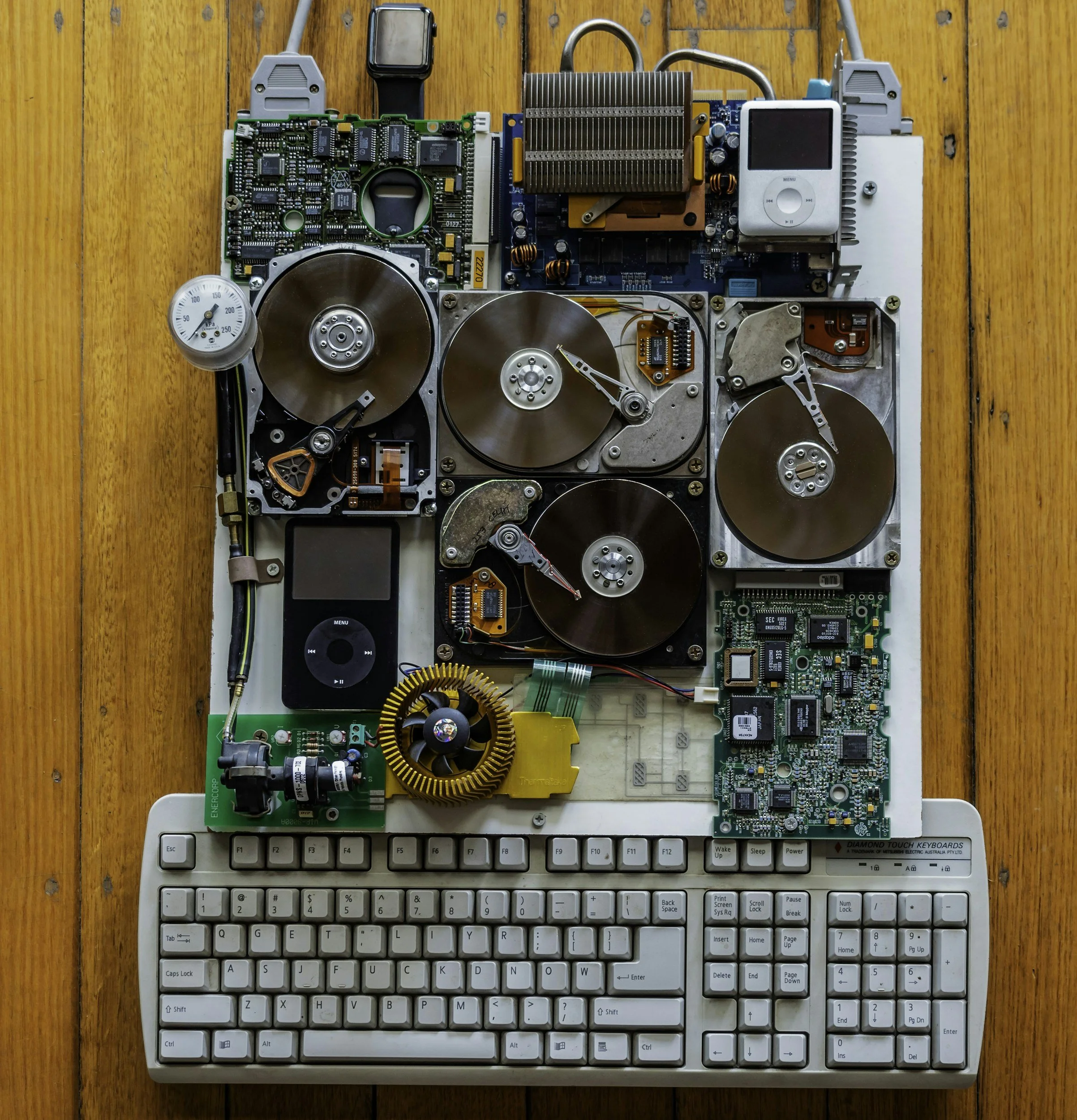
Intelligence is distributed.
Creativity is not only mental; it is embodied. A song, image, or phrase may arrive through breath, posture, tension, rhythm, or release before it becomes language. Fascia offers a useful lens for this: the body as a living field of sensation, memory, movement, and response. For artists, expression can become a way of listening to what the whole body already knows.
Yoga is to be understood as ever-present within each of our experiences of the body. The path of Yoga cannot be fully experienced without the connection of our Self, Being, and the body in which that Pure Consciousness resides. The state of Yoga is our physiological makeup, and perhaps the path of Yoga is the practice of remembering that.
Explore how one person sees the Bhagavad-Gita as the “Song of God”—a timeless guide for harmonizing life, clarifying dharma, and aligning action with consciousness. This reflection offers practical insight into finding harmony with your own spirit, meditation, devotion, self-knowledge, and conscious living for modern seekers, creatives, and anyone navigating purpose, change, or inner growth.
Most people approach AI—especially large language models like ChatGPT, Gemini, Claude, DALL-E—with the hope of getting answers, shortcuts, clarity, creativity, or strategy. AI can do all those things. What most people don’t realize is this: Your ability to use AI well is directly connected to your ability to understand yourself.
Peer-reviewed literature consistently supports a bi-directional relationship between spinal mobility (especially cervical and thoracic) and breathing efficiency.

Seeing the Bothness of Life
Wholeness: Synchronicity reveals that life is not random noise but a meaningful dialogue between our inner and outer worlds.
Details: Neuroscience, quantum physics, and spirituality together show how the brain perceives coincidences as both chance and connection.
Refraction: By practicing bothness, we learn to meet synchronicities not as superstition, but as invitations to awareness and growth.

The Body in Trauma
Wholeness: Oxidative stress and the connection between health and social systems.
Details: Trauma’s effect on the body, relationships, social cognition, and the future.
Refraction: Integration of healing interventions and resilience strategies.


How Diet Impacts: neurotransmitter metabolism, inflammation, oxidative stress, mitochondrial function, and epigenetic regulation
Wholeness: Introduction to diet’s effect on the chemical balance of systems in the human body, and their outcomes for mental health.
Details: Define nutritional psychiatry; neuroscience findings; roles in mental health treatment.
Refraction: Offer simple exercises for tuning into interoceptive signals daily.

Why Thought Stillness Isn’t the Goal
Wholeness: Challenging the cultural and spiritual assumption that a quiet mind equals success.
Details: Research on thought frequency, brain noise vs. productive mental activity, cultural perspectives on mind chatter.
Refraction: Invitation to reframe mental activity as natural and work with it rather than against it.

Summary: The Value of Reading Vedic Literature in Sanskrit
"Vedic texts cannot be translated, because in translation, you can translate only isolated values. That is why Veda is not known through reading the books. Veda is known by being totality."— Maharishi

Mind Training
Wholeness: How curiosity is a more sustainable motivator than discipline.
Details: Summarized research on intrinsic vs. extrinsic motivation; anecdotal evidence.
Refraction: Some curiosity-based approaches to learning and self-practice.

Maharishi Mahesh Yogi: Consciousness as the field of pure potential, accessible through Transcendental Meditation.
Ramana Maharshi: The practice of self-inquiry (“Who am I?”) as a direct path to realizing awareness beyond thought.
Neem Karoli Baba: Consciousness revealed through love, devotion, and surrender.

Bessel van der Kolk: Trauma reshapes the body and brain (“The Body Keeps the Score”).
Dr. Tony Nader: Physiology and Veda as reflections of one another — each structure in the body mirrors structures of consciousness.
Gabor Maté: Illness and addiction as adaptations; wisdom comes from listening to the body’s signals with compassion.

Double-slit experiment as metaphor: observation collapses probability into form.
Healing framed as shifting from one probability to another (choosing new patterns).
Mind-body practices as tools for aligning awareness with desired outcomes.

Research on oxytocin and the “tend-and-befriend” stress response.
Self-compassion studies (Kristin Neff) showing reduced anxiety and increased resilience.
Spiritual teachers: Love as both the path and the destination (Ram Dass, Maharishi).
about this researchTo collaborate , please contact.